

How To Set Up Grades In Canvas
How to stretch a canvas and set up for oil paints
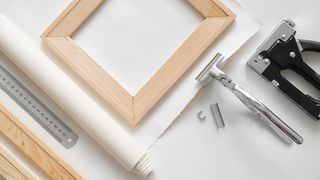
Welcome to our guide to how to stretch a canvas and set up for oil paints. By stretching your own canvas y'all can salve a lot of coin. Learning to exercise so isn't hard, but it takes a little practice to do it consistently. We recommend investing in a expert pair of canvas pliers and an electric or pneumatic stapler to attain consequent quality results.
For more on oil painting, here are the best oil paint supplies you need to know about, plus the best oil paints to work with. And for more full general art material guidance, meet our best art supplies guide.
What to consider before getting started
Cotton wool canvass, linen, wood panels, copper, paper, glass and stone are just some of the surfaces you can create oil paintings on. Cotton is a cheap culling to linen, but is less durable and not as strong.
Canvas, linen and panels are the most ordinarily available primed and unprimed surfaces. Priming your own can give yous a lot of control, and information technology is another chance to save money and you tin can create textures that add together to your painting. For our favourite canvas options, cheque out our guide to the best oil paint sail available correct now.
One option is to use a grid to transfer your drawing to the canvass or panel. Projectors and carbon paper are bully tools, as long every bit they aren't replacements for fourth dimension spent developing your drawing skills. Once your drawing is authentic, ink or set it, and then that when you begin painting yous won't scrub out all your hard work!
Read on to observe out how to stretch your canvas and set up upwardly for oil paints.
How to stretch a canvas
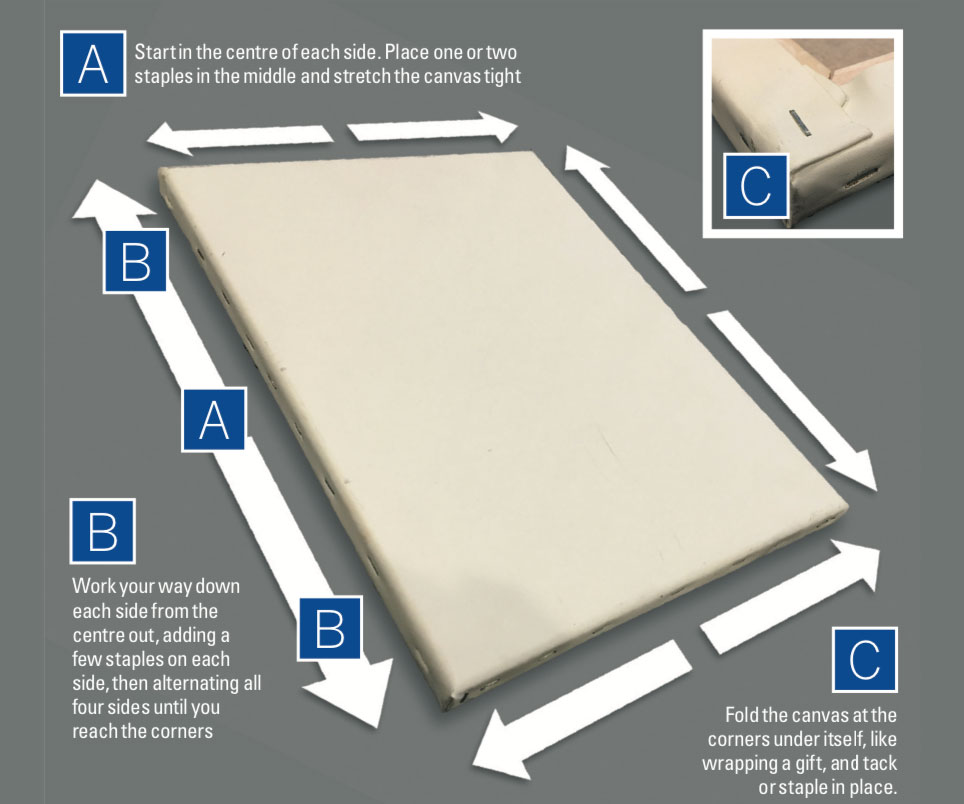
01. Stretch your sail
(Image: © Howard Lyon)
Cut your sail with between two and ii and a half inches overlap of stretcher bars, then identify a few staples in the middle of one side and stretch the opposite side. Motion to the other sides and repeat. Work from the middles to the corners.
02. Apply gesso panels and canvass
(Prototype: © Howard Lyon)
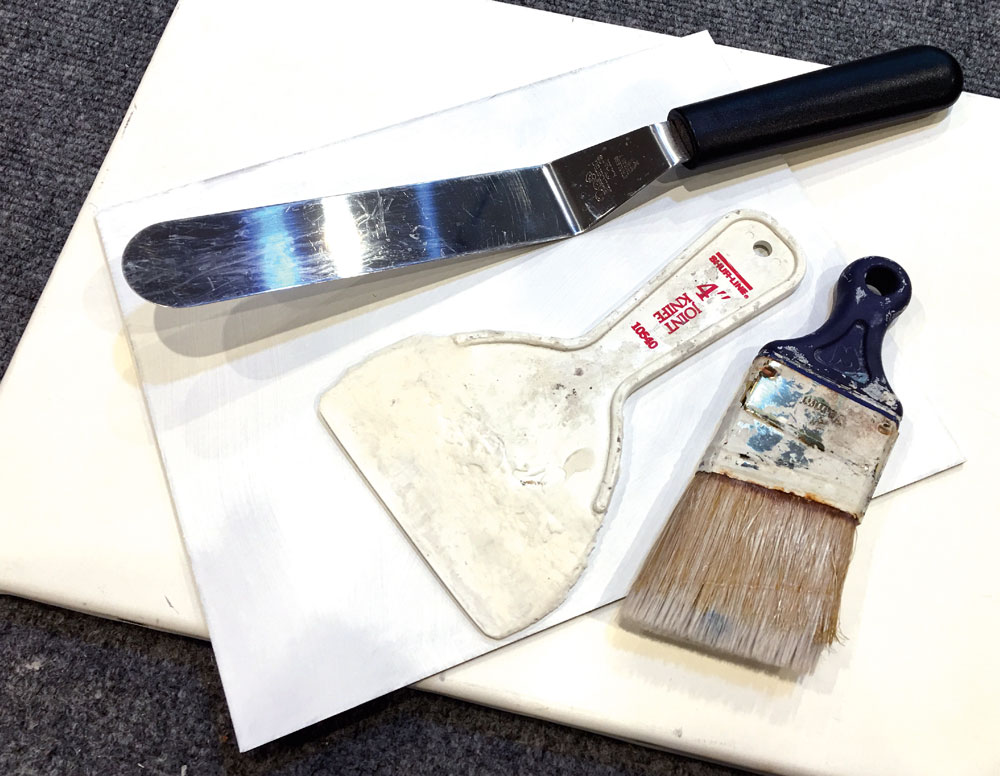
Oil-based gessoes on sail require sizing earlier applying. Rabbit pare glue is traditional, but you can use GAC 100 or PVA size, too. Acrylic gessoes and pastes don't require sizing and can be practical straight. Brushes, rollers and trowels are all useful for gessoing.
Remember:
- Thicker gessoes tin be applied with a spatula (above summit)
- Putty and spackling knives are handy for producing a multifariousness of textures when applying heavier acrylic gels and pastes (above middle)
- Standard firm painting brushes are cheap and excellent for applying gessoes (in a higher place, lesser-right)
03. Gather the all-time reference
(Image: © Howard Lyon)
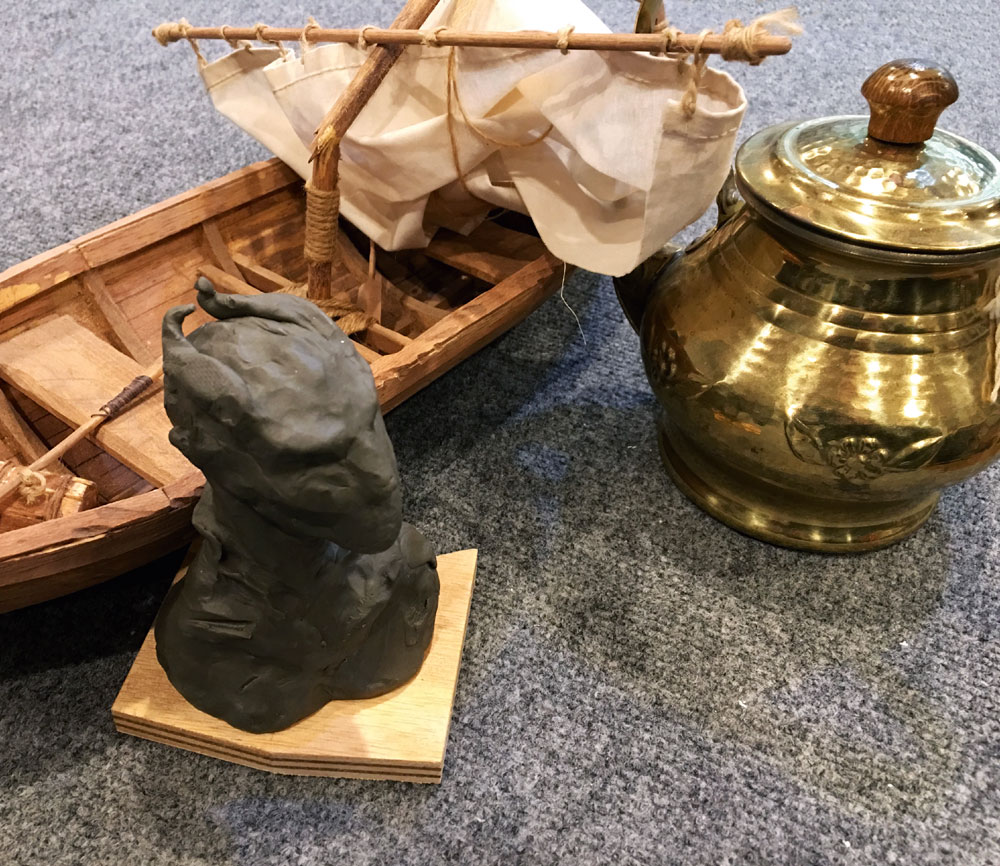
Accept the fourth dimension to larn how to utilise your photographic camera. One of the biggest issues can exist terrible reference that handicaps the work. Acquire to make costumes and create models for reference. This is an invaluable and fun role of the procedure.
Building models is a great fashion to get realistic reference when you lot don't accept access, due to size or availability. Y'all should showtime collecting interesting objects whenever y'all can. Thrift stores and garage sales are often full of cheap and interesting objects. And be sure to continue some clay around in example you need to sculpt a quick head or effigy for imaginary subjects.
04. Transfer a drawing
(Image: © Howard Lyon)
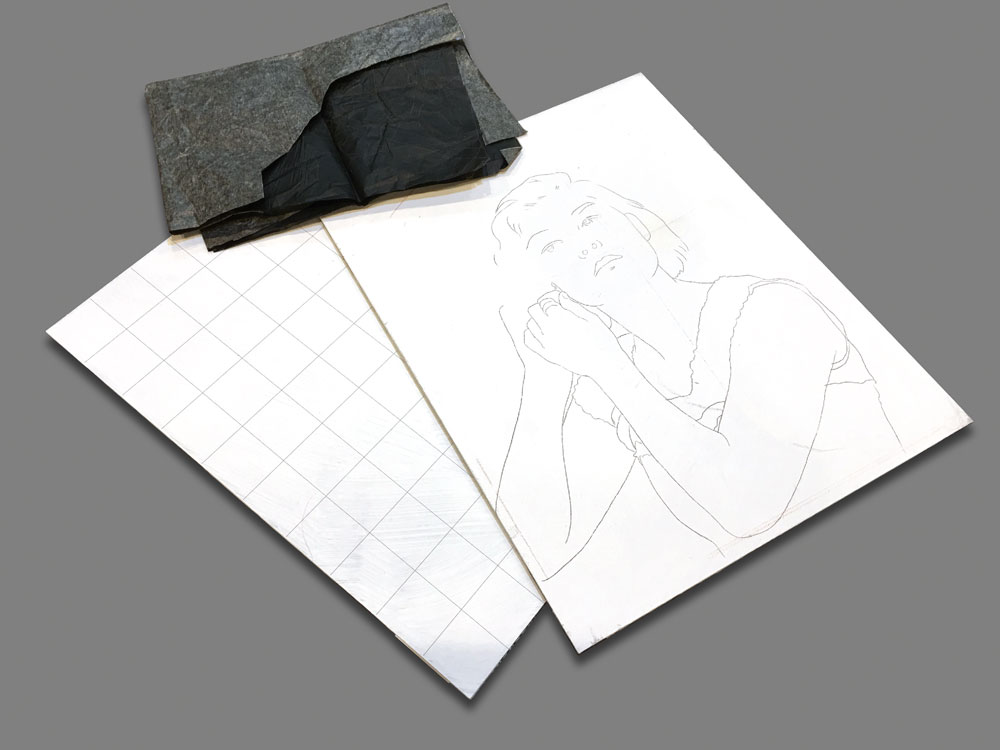
Take your time when transferring your final drawing. A potent drawing is the ground of any good painting, and then don't rush through this phase and have your work suffer. A grid is the best method because information technology'll reinforce your drawing skills. A grid is a useful drawing assist. Put a grid of the same ratio on your reference and on your panel or sail, and it'll brand information technology easier to create accurate transfers.
Carbon paper is a useful tool. Projectors work well, also. At that place'south no cheating, but if you lot're using information technology as a crutch and so you're robbing yourself of a gamble to develop your skills. Remember, charcoal pencil works well when cartoon direct on a console or canvas. Once that's washed, yous can ink the drawing with Republic of india ink and erase any lines you don't need.
05. Secure your drawing
(Image: © Howard Lyon)
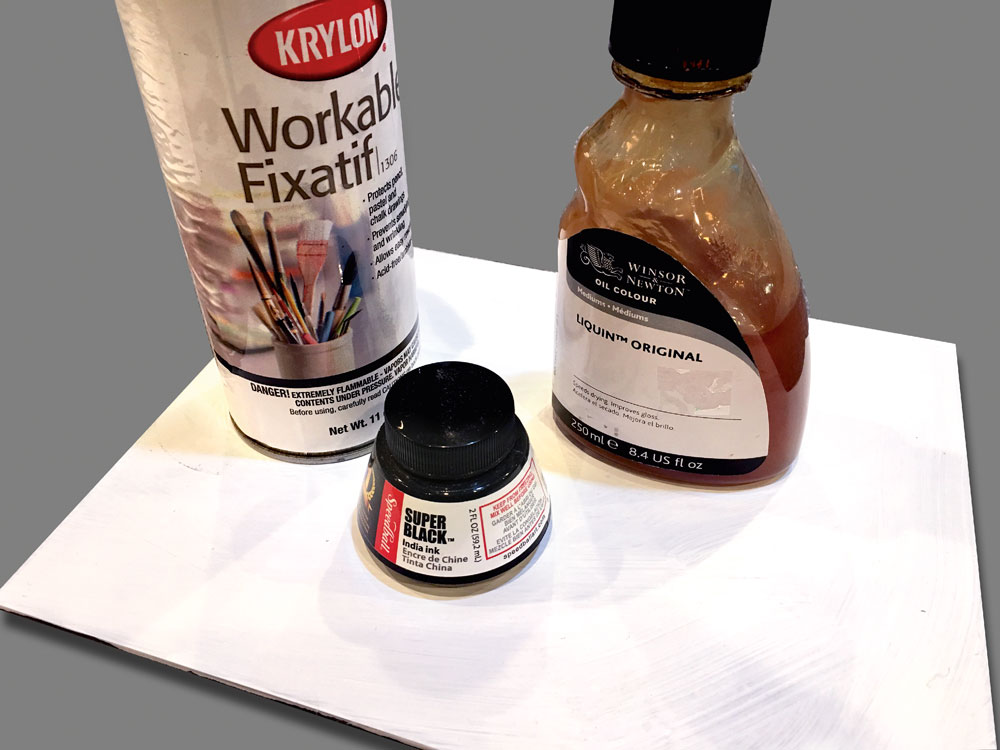
One time your drawing is done, it's a good thought to make sure that it's secured so that when you pigment, it won't deliquesce or smear. Try going over your drawings with India ink (to a higher place, bottom). Its permanent and durable, and enables yous to scrub in paint or wipe off pigment, and not remove the drawing.
Spray fixative (above left) is an easy way to make sure your drawing doesn't bleed through or disappear when painting. Apply Liquin (above correct) to apply a colour wash straight over a cartoon. If you don't scrub hard with brushes, information technology'll preserve your cartoon underneath without the need for a fixative.
This content originally appeared in Paint & Draw: Oils. You tin buy the Oils bookazine hither . Or explore the rest of the Paint & Draw bookazines .
Read more:
- How to paint sunsets: Create the perfect coloured sky
- How to capture the light with oils
- How to go started with oil painting
Related articles

How To Set Up Grades In Canvas,
Source: https://www.creativebloq.com/how-to/canvas-stretching
Posted by: griffinsents1941.blogspot.com
0 Response to "How To Set Up Grades In Canvas"
Post a Comment